H. Pylori Diet: What to Eat, What to Avoid, and How It Affects Your Whole Body
H. Pylori Diet: What to Eat, What to Avoid, and How It Affects Your Whole Body
Helicobacter pylori, or H. pylori, is a bacteria that lives in the stomach of about half the people on earth. For a lot of people it just sits there quietly and never causes a problem. But when it gets out of balance, it can be behind a long list of symptoms that seem to have nothing to do with your stomach, from bloating and heartburn to brain fog and anxiety.

What Is H. Pylori?
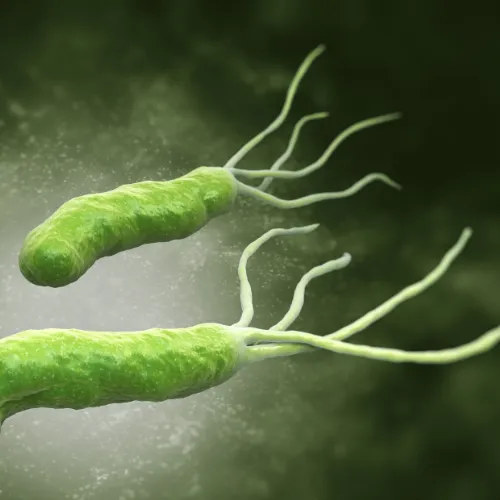
H. pylori has a spiral shape, which lets it burrow straight into the lining of your stomach. Once it's in there, it can cause inflammation, ulcers, gastritis, and in some cases, it raises the risk of stomach cancer. Think of it like pouring something acidic on an open wound. Your stomach is supposed to be a highly acidic environment, that's normal and healthy, but it's not supposed to touch tissue that's already been damaged.
Symptoms of H. Pylori
H. pylori can show up as:
Stomach pain, gas, and bloating
Acid reflux, heartburn, and nausea
Vomiting, constipation, or diarrhea
Headaches and brain fog
Anxiety or depression
Skin issues like acne, rosacea, psoriasis, or hives
Chest or upper back pain, or a lump in the throat feeling
Bad breath
Low iron, B12, calcium, or zinc levels
Food sensitivities, SIBO, or histamine intolerance
In some cases, a higher risk of stomach cancer
You can read more about the medical side of these symptoms from the Mayo Clinic.
How H. Pylori Affects Digestion
To survive, H. pylori lowers the amount of acid your stomach makes. That sounds harmless, but it actually throws off digestion at every step.
With less stomach acid, the enzymes that break down protein don't turn on the way they should, so protein gets harder to digest. Food also sits in your stomach longer than it should, which is why some people feel like there's a rock sitting right under their chest after eating.
Low stomach acid also means the signal to your pancreas and bile to release their digestive juices doesn't get sent properly. That leads to fewer enzymes further down the line, and it affects your small intestine too, since enzymes that are supposed to come from intestinal cells don't get released the way they should. On top of that, H. pylori can slow down motility, the movement that keeps food traveling through your gut, which is why so many people feel sluggish or backed up.
H. pylori also produces something called urease. Urease turns into ammonia and carbon dioxide in your stomach, and that adds to bloating and shifts how acidic your stomach environment is. Stress can lower stomach acid in a similar way, which is part of why H. pylori symptoms and stress symptoms can look so much alike.
In short, H. pylori affects every single step of digestion, from your stomach all the way through your gut. That's exactly why food choices matter so much while you're dealing with it.
What to Eat With H. Pylori
Proteins. Choose proteins that are cooked, moist, and soft, like chicken, red meat, fish, and eggs. Protein helps your body heal, so it needs to be prepared in a way you can actually digest. Soups, stews, simmering, boiling, and steaming work better than grilling, since grilled meat can turn dry, chewy, and hard on your stomach. A few easy meals: chicken soup with shredded chicken, carrots, zucchini, cabbage, and potatoes, baked fish (not overcooked) with rice and steamed broccoli, ground beef sauteed with vegetables over mashed sweet potatoes, or chicken made in a slow cooker or pressure cooker with the juices drizzled over your food.
Broccoli, cabbage, and cauliflower. These contain compounds that naturally help fight H. pylori, and broccoli sprouts (which contain a compound called sulforaphane) are especially helpful if you can find or grow them. Cook these instead of eating them raw, since raw is harder to digest. If they cause bloating, skip the cauliflower first since it causes the most gas, and stick to about half a cup of broccoli, cabbage, or sprouts at a time.
Antioxidant and anti inflammatory foods. Since you likely can't eat large portions right now, make every bite count. The best choices are blueberry, pomegranate, cranberry, red grapes, turmeric, and omega 3s. Fresh or frozen fruit works well. If you drink juice, choose 100 percent cranberry or pomegranate with no added sugar, usually found in small glass jars rather than big plastic containers, since many popular juice brands add sugar and artificial flavors. For turmeric, try golden milk (turmeric added to milk or a dairy free milk) or boil turmeric root with ginger root and drink it in the evening, and always pair turmeric with black pepper so your body can absorb it. Good omega 3 sources are salmon, tuna, trout, anchovies, sardines, walnuts, chia seeds, hemp seeds, and flax seeds.
Foods that support digestion. Ginger, arugula, radishes, turnips and turnip greens, beets and beet greens, kale, lettuce, parsley, cilantro, and artichoke hearts all help. Lemon, lime, and orange peel help too, unless you have acid reflux or heartburn, in which case skip those three. Get these from real food rather than supplements, and cooking them, steaming especially, is fine.
A few more foods worth adding. Eggs are another lean protein that digests quickly and is gentle on an irritated stomach. For carbs, white rice and well cooked gluten free pasta are easy on an inflamed digestive tract, especially during a flare up. Cooked, peeled fruit like apples, bananas, and papaya are easier to handle than raw fruit with the skin left on, since the extra fiber and skin can be more irritating. Extra virgin olive oil is a good anti inflammatory fat to cook with or drizzle over food. Green tea and a small amount of Manuka honey may also help slow down H. pylori growth.
What to Avoid With H. Pylori
Skip raw, tough, or dry proteins, like a chewy grilled steak or dry grilled chicken, and hard to chew foods like corn on the cob. Skip raw broccoli, cabbage, and cauliflower, cook them instead. Skip fruit juice with added sugar or artificial flavors, or juice sold in big plastic jugs. Skip lemon, lime, and orange peel if you have acid reflux or heartburn. Be careful with supplement versions of digestion boosting herbs, quality and inactive ingredients vary a lot, and taking too many at once can sometimes backfire if you already have food sensitivities. It's often better to stick with one or two supplements at a time.
Also avoid raw apple cider vinegar, hydrochloric acid capsules, and high dose digestive bitters or extracts while your infection is active. This sounds backwards, but more stomach acid can push the bacteria to burrow deeper into your stomach lining, which makes it harder to treat. Once the bacteria is gone, these can slowly be reintroduced.
Chewing, Family, and Mold: A Few Other Things That Matter
How you eat matters almost as much as what you eat. Chewing your food thoroughly, closer to an applesauce texture before you swallow, helps your body absorb nutrients and takes some of the workload off an already stressed digestive system.
H. pylori can also spread through families, through sharing food, drinks, or kissing. If someone in your house has it, it's worth having the rest of the family checked too.
And if H. pylori keeps coming back even after treatment, mold exposure is worth looking into. Mold can add to inflammation in the body and make it harder for your system to fully clear the infection.
Getting Tested and Treated
H. pylori can be checked with a breath test, a biopsy, a blood antibody test, or a stool test. Some low level infections can be missed by a single test, so more than one method sometimes gives a clearer picture.
Here's the important part: everything in this article will help you feel better and support your digestion, but none of it will get rid of H. pylori on its own. You need an actual treatment plan, whether that's prescription antibiotics or the right herbal protocol, with the right products, at the right doses.
If you've tried a lot of things and you're still dealing with digestive symptoms, whether or not you've already treated H. pylori, it's worth digging deeper. Some people develop food sensitivities, leaky gut, or other infections alongside H. pylori that make it harder to clear. Some people get rid of the bacteria but still have symptoms because something else is going on. If that sounds like you, you can book a free call and we can look at your specific case together.
The Bottom Line
H. pylori is more than just a bacterial infection. It's often a sign of what else is going on in your body, your stress levels, your environment, and your gut health overall. The food choices above will help you feel better while you heal, but pairing them with the right testing and treatment plan is what actually gets rid of the bacteria for good.
Let's Talk
You can reach me at
Email: [email protected]
Instagram: @holistichealingwithpaulina
Facebook: https://www.facebook.com/jpaulinaferrari
Website: https://www.paulinaferrari.com/
Book a Call: https://l.bttr.to/KDlVZ


